A Field Guide to Flora & Fauna on Florida’s Paradise Coast
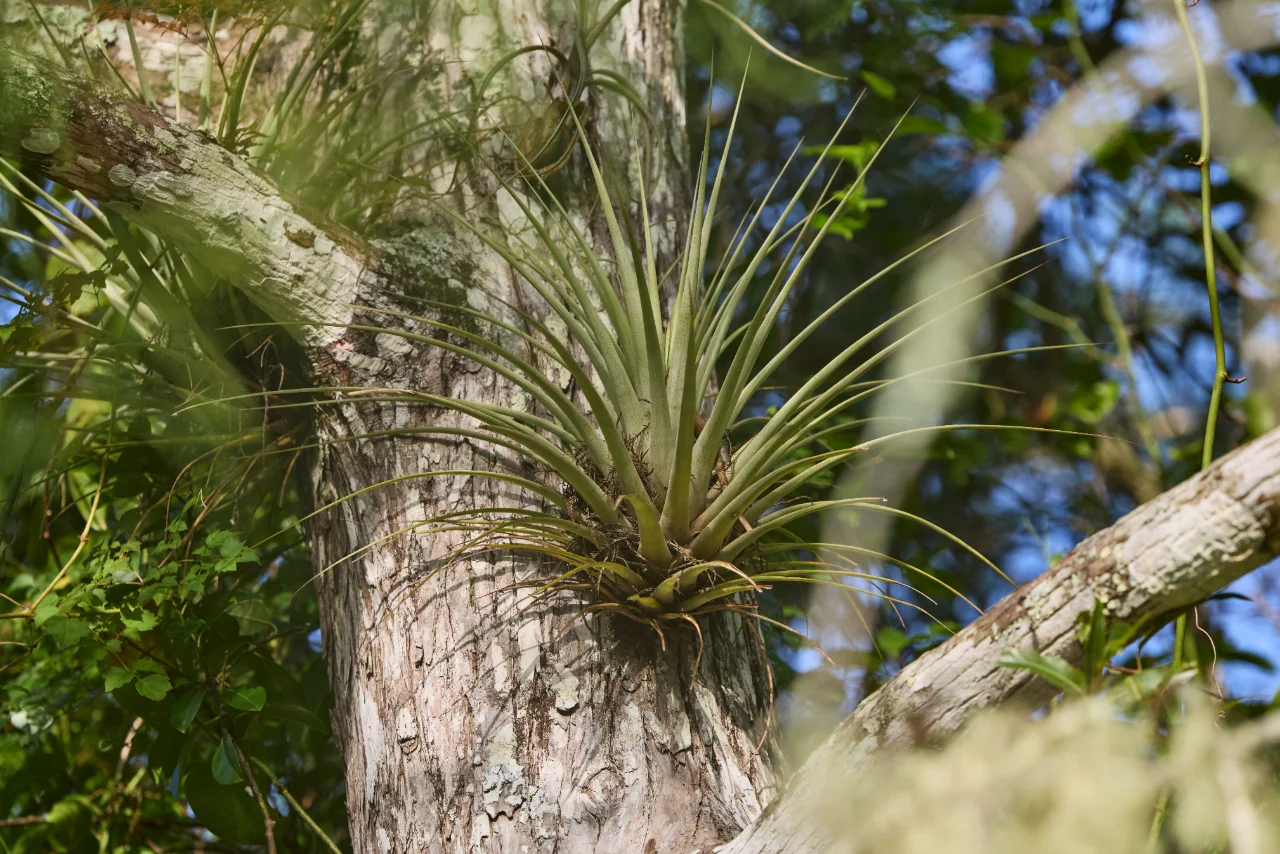
To maximize eco-conscious visits to Florida’s Paradise Coast, it helps to know what you can expect to see, hear, smell and sometimes touch. Consider this field guide a rudimentary rundown of eco-destinations within our destination, and the plants and animals you’re likely to see there.
We’ve broken it down into three basic categories.
Swamp & Preserve
The most exotic ecosystems on Florida’s Paradise Coast offer the widest and wildest constellation of plants and animals. Preserves and swamps are located inland, and comprise more than a third of our destination’s land mass. Here’s a list of protected parks:
Big Cypress National Preserve — 729,000 acres, part of the larger Everglades, includes five distinct ecosystems.
Collier-Seminole State Park — 7,200 acres, just 17 miles southeast of downtown Naples, 12 miles from the Marco Island beaches.
Audubon Corkscrew Swamp Sanctuary — 13,000 acres, highly valued for birding, features a 2.25-mile elevated boardwalk.
Picayune Strand State Forest — 75,000 acres, primitive hiking, no boardwalks.
Fakahatchee Strand Preserve State Park — 85,000 acres, the largest state park in Florida, highlighted by a 20-mile freshwater swamp.
Animal and plant life
Mammals: fox squirrel, Florida bonneted bat (the rarest and largest bat species in the U.S.), white-tailed deer, bobcat, river otter, black bear, racoon, opposum, nine-banded armadillo (common), Florida panther (sightings are extremely rare).
Reptiles: American alligator (common); many species of turtle; Eastern indigo snake, black racer, banded water snake, Florida cottonmouth and other snakes; green anole, six-lined racerunner, brown basilisk and other lizards.
Birds: wood stork, barred owl, anhinga, limpkin, roseate spoonbill, osprey, great blue heron and many other herons, bald eagle, woodpecker, black vulture, double-crested cormorant.
Plants: Bald cypress (especially in Corkscrew Swamp), many varieties of orchid (some rare), pond cypress, royal palm, bromeliads, ferns, slash pine, live oak, cabbage palm, cattails, pond apple.
Coastal Waters & Mangroves
These areas are noted as top-notch kayaking and boating destinations, and offer great fishing. They are easily accessed from resorts and hotels. The most popular locations for visitors are:
Ten Thousand Islands — protected area is 35,000 acres; a vast network of mangroves islands and islets.
Rookery Bay — 110,000 acres; open waters, mangrove forests, freshwater marshes and estuaries.
Paradise Coast Blueway — 73 miles; an official network of paddling trails that runs throughout the Paradise Coast.
Animal and plant life
Mammals: bottlenose dolphin, West Indian manatee, river otter.
Reptiles: American alligator, American crocodile (rare). Fun fact: Everglades National Park is the only place on Earth where American alligators and American crocodiles live together in the wild.
Fish: snook, spotted seatrout, redfish, mangrove snapper, sheepshead, tarpon, plus many other species.
Birds: Roseate spoonbill, osprey, brown pelican, white ibis, double-crested cormorant, bald eagle, many types of herons and egrets.
Plants: the largest expanse of mangrove forest in North America; sawgrass, buttonwood, seagrasses, cabbage palm, sea grape, prickly pear cactus.
Beaches
Roughly 30 miles of white-sand beaches are the most popular destinations within Florida’s Paradise Coast.
Barefoot Beach Preserve — a 342-acre barrier-island preserve, the northernmost beach on Florida’s Paradise Coast.
Delnor-Wiggins Pass State Park — 166 acres, with nearly one mile of Gulf Beach.
Moving southward:Clam Pass, Lowdermilk Park, Naples Beach, Keewaydin Island (protected, unspoiled, only accessible by watercraft).
Marco Island:Tigertail Beach, Marco Island South Beach.
Animal and plant life
Sea turtles: nesting season is May through October.
Mammals: bottlenose dolphin, West Indian manatee (neither usually seen from the beach); racoons, opossums, armadillos (in dunes and coastal hammocks).
Fish: pompano, whiting, ladyfish, hardhead catfish, and more.
Birds: laughing gull, brown pelican, black skimmer, sanderling, willet, plover, terns, osprey.
Plants: sea oats, sea grape, saw palmetto, mangroves, beach morning glory, railroad vine, Spanish bayonet.