A Five-Day Birding Adventure Throughout Florida’s Paradise Coast
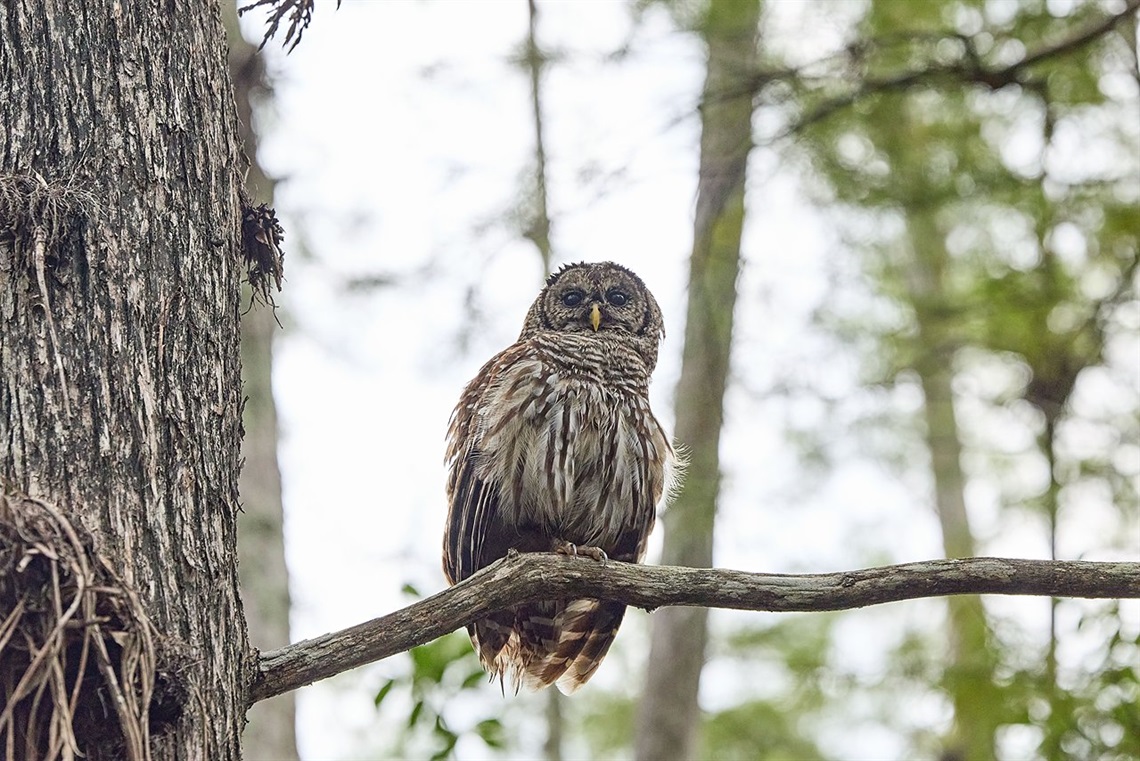
Birders flock to Florida’s Paradise Coast from far and wide. There are so many species to see, in so many unique habitats. Avian enthusiasts, cameras at the ready, scan the skies, fauna, land and water, seeking those special finds.
Whether you’re a veteran birder or new to this fascinating hobby, we’re here to help. Here’s a sample five-day itinerary to give you an idea of the myriad wonders that await you in Naples, Marco Island and the Everglades.
What the Seasons Hold
December through April is considered prime birding season because of the excellent weather, the influx of wintering birds, and spring migration season. September through November is also a fertile period, with fall migration in effect. June through August is the weakest season, but summer is quite good for spotting breeding shorebirds and seabirds, with active nesting on the beaches.
What to Bring
Here’s a short list of basics, plus the essentials you’ll want to pack while birding in a subtropical climate:
Binoculars, camera, the Merlin Bird ID App (with a field guide or checklist as a backup), sun protection; bug spray; comfortable close-toed shoes; drinking water; a waterproof bag for kayaking; a light shoulder bag or fanny pack to bring along snacks and other things you find necessary.
Where to Stay
Because there’s excellent birding throughout Florida’s Paradise Coast, you can select from a wide range of accommodations without being far from the destinations we recommend.
Day 1 — Arrival and Off to Audubon’s Corkscrew Swamp Sanctuary
We’ll kick off your avian adventure with a place that’s widely regarded as the prime birding location among many great ones:
Audubon's Corkscrew Swamp Sanctuary, located 30 miles northeast of downtown Naples, is a 13,000-acre protected wetland whose primary feature is 740 acres of old-growth bald cypress trees, the biggest remaining stand in North America.
Due in large part to the diversity of its habitats — wetlands, marshes, prairie, pine forest and cypress forest — around 260 bird species have been recorded here. Wood storks are one of the park’s signature birds. Corkscrew is an important stopover for migratory species, as well as a home for wintering birds.
You can experience this birding utopia without getting your shoes dirty (or wet). An elevated 2.25-mile boardwalk takes you through all of the habitats. Although it’s not particularly long as boardwalks go, birders routinely spend many a blissful hour here, fully immersed in their passion.
Corkscrew Swamp offers guided experiences — ten in all, including the wonderful Early Birding Tour.
Day 2 — Big Cypress National Preserve
America’s first national preserve, founded in 1974, comprises a massive 729,000 acres just a 45-minute drive from downtown Naples. You won’t be restricted to a boardwalk because nearly all of the park is open for exploration (24 hours a day, 365 days a year). Unlike conventional national parks, Big Cypress doesn’t require you to stick to a limited number of established trails – and that makes birding here all the more exciting. Expect to cover some ground on foot, but it’s up to you how far you go.
Big Cypress is renowned for its distinct ecosystems: cypress forest (which make up about half of the land area), prairies, hardwood hammock, pinelands, and mangroves. Due in large part to their contrasting environments, some 265 bird species have been recorded in the preserve, 180 during the winter. The snail kite is widely hailed as a special find.
Don’t want to wander too far from your vehicle? Drive a few miles into the park on Tamiami Trail and turn due north on Turner River Road, a narrow 17-mile unpaved passage that runs through various habitats and is a popular feeding area for wading birds. Stop as often as you like (or scout from your car) with binoculars at the ready.
For an easier expedition, try the boardwalk at Kirby Storter Roadside Park, right on Tamiami Trail. The one-mile track takes you through sawgrass prairie, cypress swamp and ends at a gator hole. Nothing wrong with taking a break from birding to see some alligators.
These suggestions barely scratch the surface of the birding experiences you can have in Big Cypress. It’s a good idea to stop at the Nathaniel P. Reed Visitor Center, located just inside the park on Tamiami Trail, and ask a park ranger for suggestions on where to keep your eyes – and ears – at the ready.
Day 3 — Coastal Wetlands
The southern part of Florida’s Paradise Coast features some remarkable protected bodies of water. And for the best birding experience, that means paddling. The go-to locations are:
- Ten Thousand Islands — this vast network of mangrove islands winds through mangrove islands, calm shallow bays, oyster bars and secluded beaches. The vistas are gorgeous. A safe and efficient way to go on a birding expedition here is to join a guided kayak eco-tour or take a ride on a 49-passenger pontoon boat.
- Rookery Bay — This 110,000-acre estuarine preserve includes mangrove forests, uplands and open waters, supporting roughly 150 avian species. The park offers several guided kayak tours led by biologists from the Rookery Bay National Estuarine Research Reserve. You can also rent a kayak here and head out on your own.
If you spot a mangrove cuckoo or a reddish egret, you’ll have earned bragging rights.
With birding time still remaining, our itinerary takes you to Clam Pass Park, located on the Gulf beach six miles north of downtown Naples. The 35-acre tract packs together several habitats, including mangrove forest, mud and sand flats. A three-quarter-mile boardwalk passes through mangroves and around Outer Clam Bay to get to the beach. From September to March, you’ll spot many species of wintering seabirds and shore birds.
Day 4 — The Beaches
Your fourth day combines birding with extended time on some of the Paradise Coast’s renowned white-sand beaches. We suggest:
- Tigertail Beach — Great Florida Birding & Wildlife Trail calls this stretch on the northern part of Marco Island “one of the best all-around birding spots in southwest Florida.” The tidal lagoon and sandbar system between the park and the Gulf creates shallow feeding areas for shorebirds and wading birds.
- Delnor-Wiggins Pass State Park — the northernmost and wildest beach on Florida’s Paradise Coast features an abundance of species. The 199-acre park is about 80% submerged and mangrove swamp, and includes the Cocohatchee River estuary. Several different bird habitats are gathered in a relatively small area.
Insider Tip: The best shorebird activity is two hours before and after low tide.
Day 5 — A Bit More Birding Before Leaving
For an easy-access birding tour, especially if you’re staying in Naples, head over to the Gordon River Greenway, a two-mile urban trail that combines boardwalks and paved sections. It runs through wetlands, mangroves and other vegetation. You’ll see an engaging mix of wading birds, water birds, raptors and woodland birds.
Even quicker is the Naples Preserve, a 10-acre park with a half-mile elevated boardwalk where you can see plenty of migratory birds. Seven miles southeast of downtown Naples is the community of Eagle Lakes. Its park complex, with a 2.5-mile paved nature trail, is a noted birding spot.
We sincerely hope that you’ll scratch your birding itch during these five days of excursions. But just know that this only scratches the surface of what you can expect when birding in Naples, Marco Island and the Everglades. Because once you’ve been here, we expect you’ll be like many of the birds who flock to Florida’s Paradise Coast: You’ll come back again and again.