Lights Out for a Reason: A Visitor's Guide to Sea Turtle Hatching
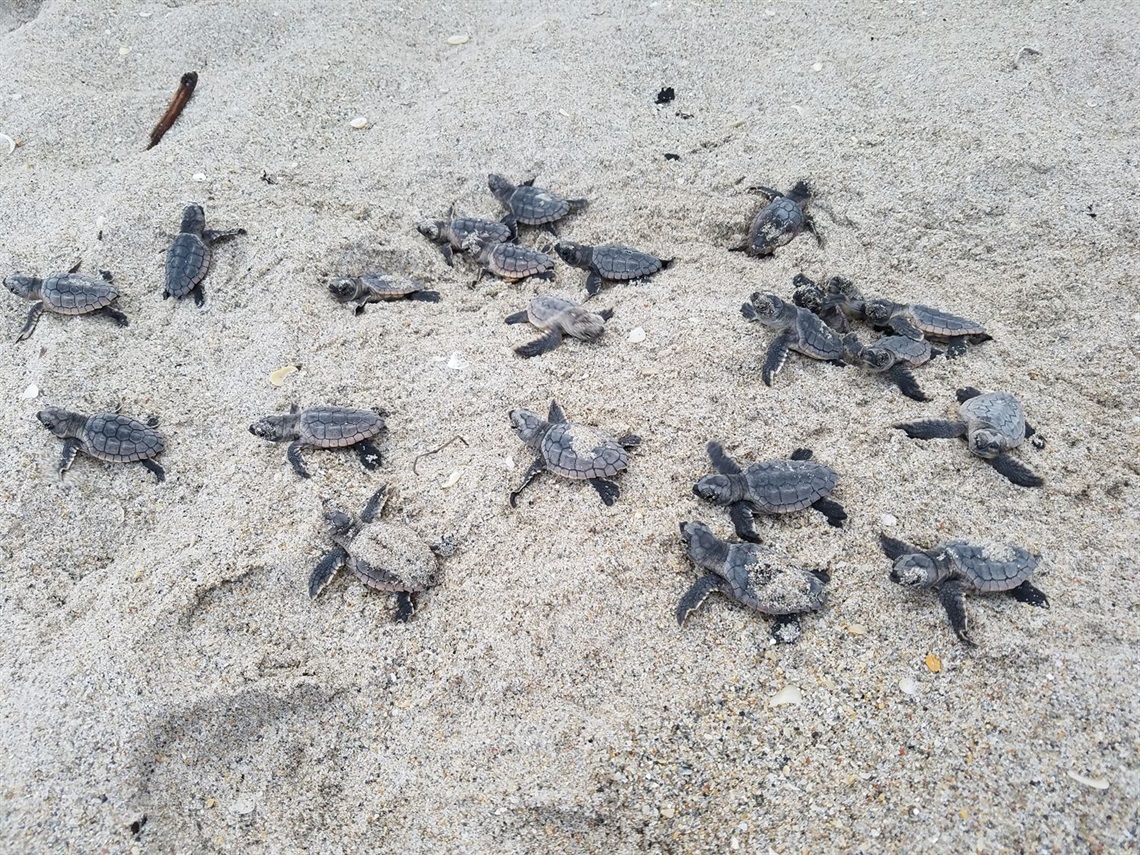
Every summer, something quietly extraordinary happens on the beaches of Florida's Paradise Coast: female sea turtles crawl ashore under cover of darkness to lay their eggs, and months later, tiny hatchlings emerge to make their own dash for the Gulf. It's one of the most remarkable things happening on our beaches, and how visitors behave during sea turtle hatching season genuinely affects whether these hatchlings survive the trip. It's one of the ways this coastline shares its waters with remarkable wildlife—much like the manatees that call these same waters home.

When Sea Turtle Season Runs on Florida's Paradise Coast
Florida's official sea turtle nesting season runs March 1 through October 31, and Collier County's own Sea Turtle Protection Team begins its permit-required daily nest surveys every April 15. Loggerhead turtles, a federally threatened species, are the primary nesters on local beaches, laying eggs that take roughly 45 to 70 days to incubate. That means sea turtle hatching season in Naples, FL, and Marco Island generally runs from mid-June through October, with hatching activity peaking in August, September, and October — so a late-summer or early-fall visit gives you the best odds of encountering the season in full swing.

What to Expect on the Beach
If you're walking the beach during nesting season, you may notice marked-off areas with stakes or tape — these are protected, monitored nests, and Collier County's team patrols 22.5 miles of local beachfront daily to track them. Hatchlings emerge together at night in a synchronized event often called a "boil," instinctively heading toward the brightest, most open horizon, which on an undisturbed beach is the reflection of the sky over the Gulf. It's a genuinely special thing to witness, but it's also an incredibly fragile moment — artificial light can send hatchlings in the wrong direction entirely, with fatal consequences.

What You Can Do to Help
Collier County's Sea Turtle Protection Program asks everyone on or near the beach to turn off or shade any lights illuminating the beach by 9 p.m. and remove all beach furniture, tents and other obstacles by 9:30 p.m. Beyond that, a few simple habits make a real difference: never use flashlights, flash photography or your phone's flashlight near a nesting turtle or hatchlings, never touch or pick up a hatchling, and never dig into or disturb a marked nest. If you dig a hole in the sand during the day, fill it back in before you leave — an unfilled hole can trap a hatchling on its way to the water. If you ever witness interference with a nesting turtle, spot a disoriented hatchling, or find an injured or stranded sea turtle, call the FWC Wildlife Alert Hotline at 1-888-404-3922.
Why This Matters
The math on sea turtle survival is sobering: only about 1 in 1,000 hatchlings survives to adulthood, even under ideal conditions. Every avoidable obstacle — a bright porch light, an abandoned beach chair, a curious hand — stacks the odds further against them. Loggerheads, along with green turtles and leatherbacks that also nest in Florida, are protected under the federal Endangered Species Act, and the Paradise Coast's beaches are a meaningful piece of their nesting range. Following a few simple rules during your visit is a small ask that makes a real difference for a species that's been returning to these same beaches for millions of years.
Do Your Part on Florida's Paradise Coast
Whether or not you're lucky enough to witness a nest hatch in person, sea turtle season is a good reminder that this coastline is shared with some remarkable, long-term residents. Start planning your visit and discover more outdoors and nature on Florida's Paradise Coast.